
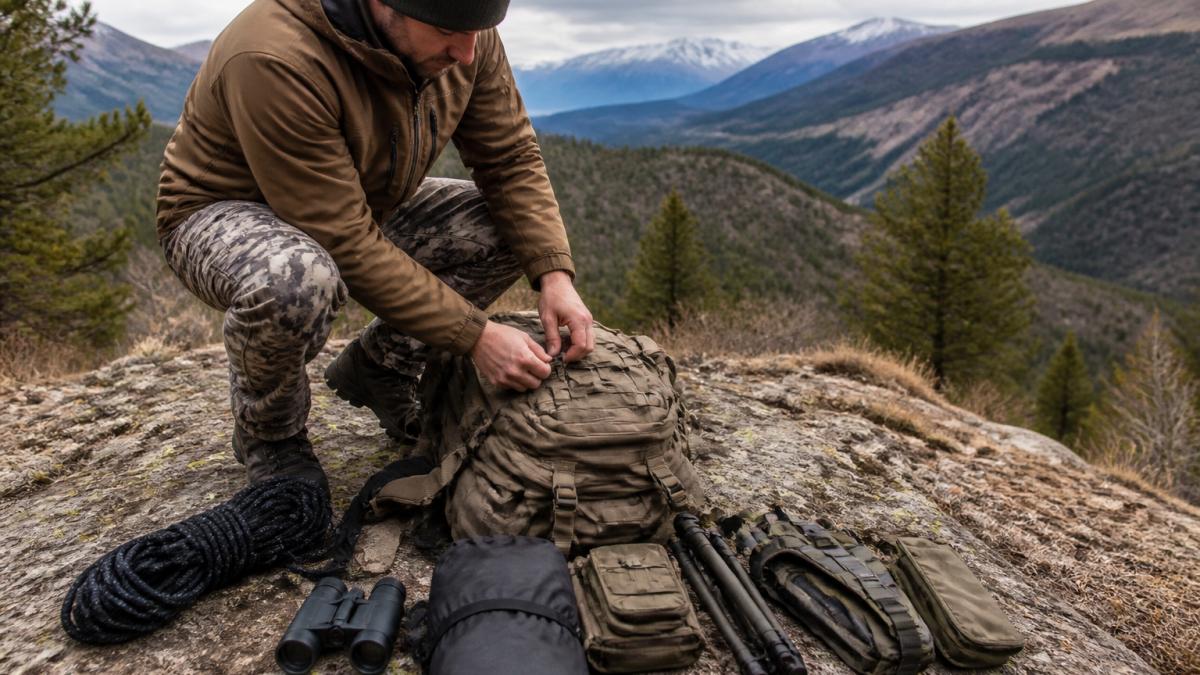
Table of Contents
- What Makes Gear Field-Tested for Backcountry Expeditions
- Lightweight Hunting Gear That Performs Under Pressure
- Backcountry Hunting Gear Checklist: Essential Categories
- Compound Bow Accessories for Hunting in Remote Terrain
- Field Testing Hunting Gear: A Transparent Methodology
- Weight-to-Performance Trade-offs in Expedition Gear
- Real-World Durability: What Survives Harsh Conditions
- Frequently Asked Questions
Last Updated: October 7, 2026
What Makes Gear Field-Tested for Backcountry Expeditions
Field tested gear for backcountry expeditions isn't just equipment that sounds durable, it's gear that has survived real conditions, multiple trips, and the unpredictable demands of remote hunting. At 3D Hunting Solutions, we focus on what separates gear that works in theory from gear that actually performs when you're miles from help.

The difference comes down to three factors: proven durability under repeated use, weight efficiency that doesn't sacrifice function, and honest documentation of how and where the gear was tested. Too many manufacturers claim "field-tested" without explaining what that means.
Backcountry expeditions demand more from your equipment than day hikes. You're carrying everything for days or weeks, climbing in and out of trees, moving through dense brush, and dealing with temperature swings. A pack system that works for a single day hunt falls apart when you're on your third day in the field with 60 pounds on your back.
Lightweight Hunting Gear That Performs Under Pressure
Lightweight doesn't mean fragile. The best backcountry hunting gear strips away unnecessary bulk while keeping the features that matter in the field. This is where purpose-built accessories make the biggest difference.
When you're hiking long distances to remote hunting areas, every ounce matters. A 2-pound difference in your pack system translates directly to fatigue, recovery time, and how sharp you are when you finally reach your hunting position. But cutting weight recklessly creates problems: straps that fail under load, materials that tear in brush, or storage solutions that collapse when packed.
The solution is selective engineering. Focus weight reduction on items you carry constantly, your pack system, shelter, and sleep system. Accept heavier materials for items that take abuse: climbing sticks, bow carriers, and gear organization. This approach keeps you moving efficiently while ensuring your critical gear survives the trip.
Backcountry Hunting Gear Checklist: Essential Categories
A complete backcountry hunting setup spans multiple categories, each with distinct requirements. The checklist below covers what most hunters need for multi-day expeditions. Your specific trip, terrain, season, distance, will shift priorities within each category.
Pack Systems and Carry Solutions
Your pack system is the foundation of backcountry mobility. For saddle hunters, the right pack serves double duty: it carries your platform and climbing sticks on the hike in, then becomes an organized gear station once you're in the tree.
The Pack Rat from 3D Hunting Solutions ($139.99) solves a specific problem most saddle hunters face: securing your platform and sticks during the approach without them shifting, hanging up on branches, or creating noise. The center channel design locks your platform in place while the vertical stick carry prevents the constant adjustment and noise that happens with traditional pack methods. Once you're in the tree, it doubles as a knee pad, eliminating the need for a separate piece of gear.
The integrated molle loops throughout the pack allow you to customize carry options based on your specific setup. The 600D waterproof polyester material handles brush, rain, and repeated packing without degrading. At 2.1 pounds for the original size (2.6 pounds for the XL), it's built to carry weight without adding unnecessary bulk.
For hunters who want modular flexibility, pairing the Pack Rat with the Tree Hugger ($79.99) creates a complete system. The Tree Hugger opens to 27 inches when deployed in the tree, giving you organized access to your essentials, rangefinder, release, broadheads, knife, without digging or noise. The waterproof material and heavy-duty zippers hold up to repeated opening and closing across multiple days. At 1 pound 13 ounces, it's light enough to carry as a secondary pack without creating fatigue.

| Pack System | Weight | Primary Function | Best For |
|---|---|---|---|
| Pack Rat | 2.1 lbs | Platform & stick carry | Saddle hunters hiking to remote locations |
| Pack Rat XL | 2.6 lbs | Larger platform carry | Hunters using wider platforms (18.5"+) |
| Tree Hugger | 1 lb 13 oz | In-tree gear organization | Quick access to essentials while hunting |
| Tree Hugger Mini | 1 lb 8 oz | Compact gear storage | Minimalist hunters on shorter trips |
Weather Protection and Durability
Backcountry conditions change fast. You need layers that handle temperature swings, wind, and moisture without adding excessive weight. The priority is functional durability, gear that keeps working after days of use, not gear that looks premium.
Materials matter here more than brand names. Look for 600D polyester or heavier for pack components that contact brush and branches.
Wind resistance becomes critical above 4,000 feet or in exposed terrain. A windproof outer layer prevents heat loss that compounds fatigue.
Real durability testing means checking seams after extended use, evaluating zipper performance after repeated opening/closing cycles, and assessing how materials hold up after contact with sharp branches and rough terrain.
Compound Bow Accessories for Hunting in Remote Terrain
Compound bow accessories in backcountry settings need to do one thing well: stay secure and silent while you move through rough country. Complexity becomes a liability when you're miles from help and something fails.
The Saddle Bridge and Rope Caddy from 3D Hunting Solutions ($6.00) addresses a recurring problem for saddle hunters: managing your bridge and extra rope during the approach. These pieces catch on brush, create noise, and shift constantly if not secured. The caddy holds 8mm-11mm ropes in a fixed position using molle attachment or belt loops, eliminating the distraction and noise.

This is a small accessory, but field testing reveals its importance. Hunters who implement rope management report noticeably quieter approaches and fewer mid-hike adjustments. The 3D-printed construction handles repeated use without cracking or loosening, and the molle attachment integrates with existing gear systems.
For bow carriers specifically, the requirement is simple: your bow must travel securely without shifting, and it must be accessible for quick deployment once you reach your hunting position. Materials should resist moisture and UV degradation. Weight should be minimal, your bow is already heavy enough.
Field Testing Hunting Gear: A Transparent Methodology
Most "field-tested" claims lack specifics.
Legitimate field testing means using gear across different seasons, terrain types, and pack weights. Spring hunts in wet conditions test water resistance. Fall hunts in cold weather test insulation and material brittleness. Winter hunts test extreme durability. Summer scouting trips test how gear performs under high-mileage, low-stakes conditions where you're willing to push harder.
Multiple test cycles matter because first-use performance differs from tenth-use performance. Zippers loosen. Stitching frays. Straps stretch. Gear that performs well on trip one might fail on trip five if the design has weaknesses.
3D Hunting Solutions tests accessories through actual hunting seasons with real hunters in varied conditions. The founder personally hunts with prototypes, documents performance, and refines designs based on field feedback. This approach produces gear that survives because it was designed by someone who uses it.
Weight-to-Performance Trade-offs in Expedition Gear
Every gram of weight you save creates a trade-off somewhere. Understanding those trade-offs prevents you from optimizing for the wrong metric.
Material selection creates additional trade-offs.
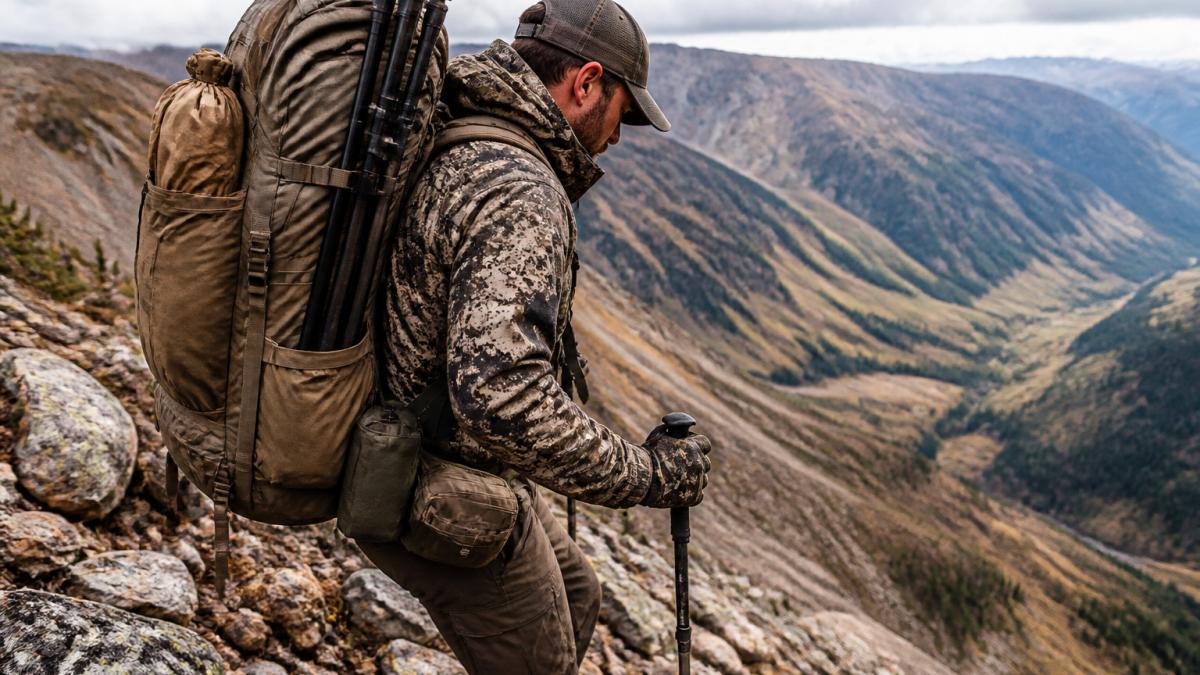
Real-World Durability: What Survives Harsh Conditions
Durability in backcountry conditions means your gear still functions after days of repeated use, brush contact, and environmental stress. It's not about looking pristine, it's about performing when it matters.
Materials that survive harsh conditions share common characteristics: they resist tearing from sharp branches, maintain structural integrity when wet, and don't degrade under UV exposure. 600D polyester polyester performs well because it's thick enough to resist punctures while remaining flexible enough for complex gear designs. Heavy-duty zippers with sealed seams prevent moisture infiltration. Reinforced attachment points distribute load stress across larger surface areas.
The Saddle Bridge and Rope Caddy exemplifies durable design. The 3D-printed construction from 3D Hunting Solutions uses materials selected for impact resistance and UV stability. After multiple seasons of field use, these accessories show no cracking, loosening, or material degradation. The molle attachment system distributes stress across multiple connection points rather than concentrating it in a single area.
Pack systems face the most demanding durability tests because they carry weight constantly and contact brush throughout the approach. The Pack Rat's waterproof polyester material and heavy-duty stealth buckles survive repeated packing, unpacking, and brush contact without visible wear. The integrated molle loops maintain their attachment strength after dozens of load cycles.
Real durability also means repairability. Purpose-built accessories from 3D Hunting Solutions use standard molle and buckle systems.
The best field tested gear for backcountry expeditions comes from manufacturers who actually hunt in remote conditions and design based on real-world problems. 3D Hunting Solutions builds accessories that solve specific challenges saddle hunters and backcountry expeditions face: secure platform carry, organized gear access, rope management, and weight efficiency. Each product is tested through actual hunting seasons and refined based on field performance. Start with the Pack Rat system and Tree Hugger for your pack organization, add the Saddle Bridge and Rope Caddy for rope management, then build from there based on your specific setup. This foundation gives you organized, reliable gear that performs when conditions get difficult.
Frequently Asked Questions
What gear do you need for a backcountry hunting expedition?
A solid backcountry hunting gear checklist includes a reliable pack system for carrying your platform and sticks, weather-resistant clothing layers, navigation tools, a headlamp, first aid supplies, water and food storage, and specialized compound bow accessories. The Pack Rat ($139.99) handles platform and stick transport while doubling as a knee pad, while the Tree Hugger ($79.99) organizes personal gear for quick access once you're positioned. Prioritize items that reduce weight while maintaining durability for multi-day expeditions.
How do you test hunting gear before a backcountry hunt?
Field testing hunting gear means deploying it in conditions matching your planned expedition: similar terrain, temperature range, and duration. Test your pack system on a practice hike with full weight to verify comfort and access. Check all zippers, buckles, and seams under stress. Verify that compound bow accessories stay secure during movement and climbing. Document what fails, what slows you down, and what you never needed. Real-world testing reveals problems lab conditions miss.
What should you look for in lightweight hunting gear?
Lightweight hunting gear balances weight reduction with durability, shedding ounces that matter without sacrificing function in harsh conditions. Look for materials like 600D waterproof polyester that resist tears and weather while staying packable. Integrated features (like the Pack Rat's knee pad or Tree Hugger's molle loops) eliminate the need for separate items. Weigh total system load, not individual pieces. A 2.1 lb pack that carries everything beats three lighter packs that don't integrate.
Why is field-tested gear worth the investment for backcountry hunting?
Field-tested gear is engineered and proven in the exact conditions you'll face, multi-day expeditions, tree climbing, weather exposure, and repeated use. Gear that fails 30 feet up a tree or on day three of a five-day expedition costs far more than the upfront price. Products designed specifically for backcountry hunters (like those 3D printed in-house) integrate features that generic outdoor gear doesn't offer. You pay for reliability that keeps you hunting, not scrambling for workarounds in the field.