
Table of Contents
- Best Bow Hunting Accessories 2026: The Complete Rundown
- What Defines the Best Bow Hunting Accessories in 2026?
- Top Picks for Arrows, Broadheads, and Tuning Kits
- Sights, Rests, and Release Aids for Precision Shots
- Saddle Hunting Accessories: The Best Saddle Hunting Accessories for Mobile Hunters
- The Case for 3D Printed Bow Hunting Gear: Durability Meets Design
- Building Your Mobile Hunting Gear Setup: Packs, Optics, and Layering
- DIY Bow Tuning and Maintenance: Extend Gear Life
- Frequently Asked Questions
Last Updated: September 7, 2026
Best Bow Hunting Accessories 2026: The Complete Rundown
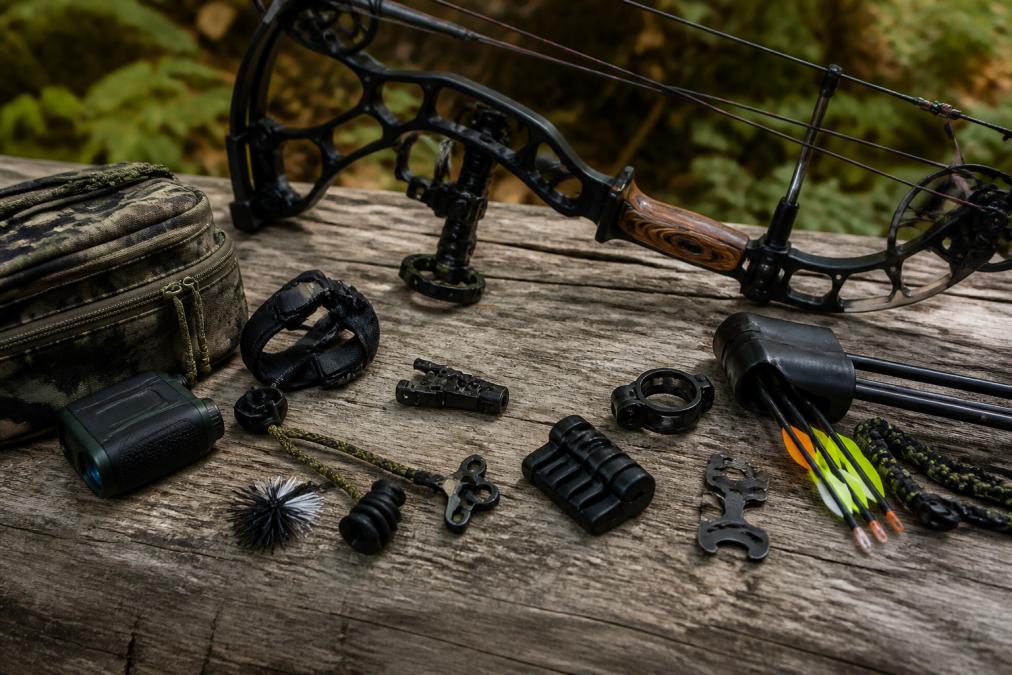
The gap between a good hunt and a great one is rarely the bow itself. It's the accessories surrounding it that determine whether you connect at 40 yards or watch a buck disappear into the timber. Bow hunting accessories have evolved rapidly, and the 2026 lineup rewards hunters who think in systems, not single products.
This guide breaks down what actually earns a spot in your pack. We'll cover arrows, broadheads, tuning kits, sights, rests, release aids, and the mobile setups that define modern hunting. The goal is simple: help you build a kit that performs under pressure without weighing you down.
Quick Picks:
- Best Overall System: 3D Hunting Solutions, purpose-built, 3D-printed accessories for mobile and saddle hunters
- Best for Precision: Micro-adjust sights paired with drop-away rests
- Best Budget Upgrade: Carbon arrows with quality fletching over premium broadheads
Below, we'll show you exactly how to evaluate each category, where to spend your money, and what most guides get wrong about building a cohesive setup.
What Defines the Best Bow Hunting Accessories in 2026?
The best bow hunting accessories in 2026 share three traits: they reduce weight, improve shot consistency, and survive hard use. Marketing hype aside, the gear that matters most is the gear you forget you're carrying until the moment you need it.
According to the National Deer Association's hunter survey data, modern hunters are prioritizing mobility and lighter setups over raw power. That shift has pushed manufacturers toward integrated designs, and it's changed what "quality" means. A sight that holds zero through a season beats one with more pins but flimsy construction.
Weight-to-Performance Ratios: Why Ounces Matter
Mobile hunting demands a brutal honesty about weight. Every ounce you carry up the tree is an ounce you feel on the third mile. The industry has responded with carbon accessories, minimalist quivers, and compact release aids, but the real question is whether the weight savings compromise durability.
A common approach is to calculate the weight-to-performance ratio: divide the accessory's weight by its functional benefit. A 12-ounce sight that gives you micro-adjust precision earns its place. A 6-ounce sight that drifts after a few shots doesn't, regardless of how light it feels. For saddle hunters especially, this calculation drives every purchase decision.
Budget-Friendly vs. Premium ROI: Where to Spend
Not every accessory deserves premium dollars. The ROI hierarchy is clear: broadheads and release aids justify spending, while sights and rests offer diminishing returns past a certain price point. A $30 release aid with a stiff trigger will hurt accuracy more than a $200 sight will help it.
Spend on items that contact the arrow or control the shot. That means broadheads, release aids, and rest launcher blades. Save on accessories where weight and basic function matter more than precision engineering, like quivers and stabilizers, where a mid-tier option often performs nearly identically to the flagship model.
Top Picks for Arrows, Broadheads, and Tuning Kits
Arrow setup is the foundation of accuracy, and it starts with spine selection matched to your draw weight and arrow length. Carbon arrows dominate for good reason: they offer consistent spine, straightness tolerances measured in thousandths of an inch, and durability that aluminum simply can't match.
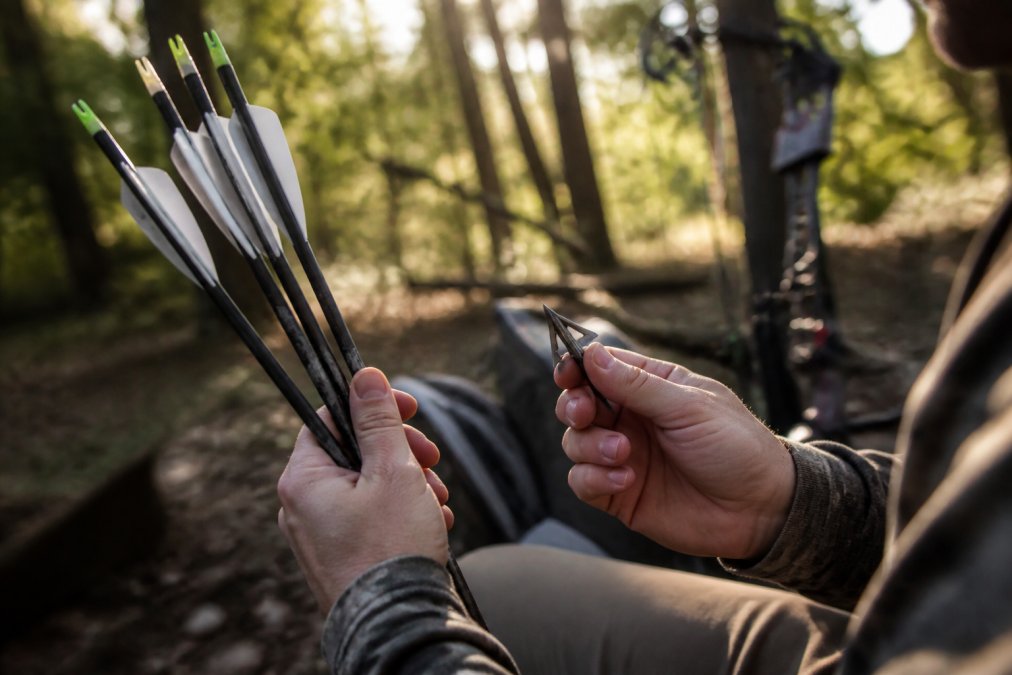
For 2026, focus on two things: front-of-center balance and broadhead flight consistency. FOC above 15% helps with penetration and wind drift, but it changes arrow flight characteristics. Many hunters find that a 100-grain broadhead with a quality insert achieves the balance they need without overcomplicating the setup.
Broadhead selection breaks down simply:
- Fixed-blade heads offer reliability and penetration on close shots
- Mechanical heads fly like field points but risk deflection on angled impacts
- Single-bevel heads rotate on impact for better bone-splitting performance
A tuning kit with a bow press, arrow squaring tool, and paper tuning supplies pays for itself in the first season. The ability to diagnose and fix a paper-tear issue in the field beats any accessory you can bolt onto the bow.
Sights, Rests, and Release Aids for Precision Shots
A precision shot sequence depends on three components working in harmony: the sight, the rest, and the release aid. Each has a specific job, and mismatched gear creates inconsistencies that no amount of practice can fix.
Sight housing quality determines how well your pins hold alignment. Look for a housing with tool-less micro-adjust for windage and elevation, plus a level that's actually visible in low light. The 2026 trend is toward smaller, lighter housings with fiber optics that gather light efficiently without adding bulk.
Drop-away rests are the standard for good reason. They get fully out of the arrow's path at the shot, eliminating fletching contact that causes erratic flight. The key specification is containment: a rest that holds the arrow securely through the draw cycle but falls away cleanly on release. Full-containment models are worth the extra ounces for saddle hunters who draw in awkward positions.
Release aids deserve more attention than most hunters give them. A back-tension release builds a surprise-shot sequence that eliminates target panic, while a thumb-trigger release offers the control that many hunters prefer. The best release aid is the one you can shoot consistently from elevated, seated, and twisted positions, because saddle hunting rarely offers a perfect stance.
Saddle Hunting Accessories: The Best Saddle Hunting Accessories for Mobile Hunters
Saddle hunting has exploded in popularity because it offers unmatched mobility, and the best saddle hunting accessories solve the specific problems of hunting from a suspended position. A saddle setup is only as good as its integration with your bow and climbing system.
For mobile hunters, the essential accessory list starts with a load-bearing pack that keeps weight on your hips, not your shoulders. A pack with a dedicated bow holder and climbing stick attachment points transforms a painful carry into a manageable one. 3D Hunting Solutions offers accessories designed to organize climbing sticks and gear, reducing the fumbling that costs you quiet and time at the base of the tree.
Silence is the other critical factor. Saddle hunting puts you closer to the tree, where every metallic click and fabric rustle echoes. Look for accessories with vibration dampening materials, and test your full setup for noise before the season. A quiet setup is a confident setup.
The integration question matters too. Many hunters run gear from different brands, and the best saddle hunting accessories are those that adapt to existing hardware. Modular designs that accept standard attachment points let you upgrade piece by piece rather than rebuilding your entire system.
The Case for 3D Printed Bow Hunting Gear: Durability Meets Design
3D printed bow hunting gear has moved from novelty to legitimate tool, and the technology's strengths align perfectly with hunting demands. Additive manufacturing allows for complex geometries that reduce weight while maintaining strength, and it enables rapid iteration based on real-world field testing.
The durability question is the first thing skeptics raise, and it's fair. Early 3D-printed accessories earned a reputation for brittleness. Modern materials and printing techniques have changed that calculus. Parts printed with high-strength filaments and proper infill densities handle the abuse of backcountry hunting, including temperature swings and impact loads.
3D Hunting Solutions builds every product this way: designed and printed in-house in the USA, with each piece personally tested by the founder in real hunting scenarios. That feedback loop matters.
Building Your Mobile Hunting Gear Setup: Packs, Optics, and Layering
A mobile hunting gear setup is a system, and each component affects the others. The pack carries the optics, the optics find the target, and the layering system keeps you comfortable enough to make the shot. Planning the system as a whole prevents the common mistake of buying pieces in isolation.
Optics are where weight and quality clash hardest. A rangefinder with angle compensation is non-negotiable for elevated shots, since the horizontal distance differs from the line-of-sight distance. A binocular harness that keeps glass close to your chest beats any neck strap for comfort and silence. The tradeoff is clear: quality glass costs ounces and dollars, but it pays back in target identification and shot confidence.
Layering systems have evolved to manage scent and temperature simultaneously. Base layers with scent control properties, mid-layers that breathe during the climb, and an outer layer that breaks up your outline without adding bulk (fs.usda.gov). The 2026 approach favors fewer, higher-quality layers over the old multiple-shirt approach.
Field repair kits are the most overlooked accessory. A broken peep sight or a stripped d-loop ends a hunt. A small kit with extra peep tubing, d-loop cord, a multi-tool, and a spare release aid fits in a pocket and turns a disaster into a five-minute fix.
DIY Bow Tuning and Maintenance: Extend Gear Life
The most valuable skill for any bow hunter is basic tuning and maintenance. It extends gear life, improves accuracy, and saves money on shop visits. You don't need a full workshop, but you do need the right tools and the knowledge to use them.
The essential tuning toolkit includes:
- A bow press for string and cable work
- An arrow squaring tool for broadhead alignment
- Paper tuning supplies for diagnosing flight issues
- A draw board for checking cam timing and draw length
Start with the basics: check your d-loop for wear, inspect your peep sight for rotation, and verify your rest's launcher height. These three checks catch most accuracy problems before they cost you a shot. The Archery Trade Association's maintenance guidelines recommend a full inspection before every season and a tune-up after any significant impact or temperature change.
Fletching and broadhead maintenance is simpler than most hunters think. Re-fletching arrows is a skill you can learn in an afternoon, and it extends the life of shafts that would otherwise be retired. Broadheads need regular sharpening, and a fixed-blade head that won't shave hair needs attention before it goes into the field.
Screw-in field points and broadheads should be checked for tightness after every practice session. A loose broadhead at full draw is a safety hazard, and it ruins accuracy long before you notice the issue. Make it a habit to check every arrow before it goes into your quiver.
Ultimately, the best bow hunting accessories 2026 has to offer are the ones that disappear into your setup. They reduce weight, improve your shot sequence, and survive the abuse of real hunting conditions. Start with the shot-critical components, build out your mobile system deliberately, and maintain what you own.
Building a hunting setup that performs under pressure takes more than buying the latest gear. It takes accessories designed for the realities of mobile and saddle hunting, built to last, and tested by someone who actually hunts. At 3D Hunting Solutions, every accessory is purpose-built and 3D printed in-house in the USA, then personally field-tested by the founder in real hunting conditions. From climbing stick organization to bow-mounted accessories, the gear integrates with your existing setup rather than forcing a rebuild. Shop Now
Frequently Asked Questions
What are the best new bow hunting accessories released in 2026?
The best new bow hunting accessories for 2026 focus on reducing weight and improving integration. Look for micro-adjust sights, drop-away rests, and release aids that build on proven platforms. 3D printed bow hunting gear is a standout for customization, offering purpose-built solutions for saddle and mobile hunters. Prioritize items that improve shot sequence consistency and durability, such as carbon arrow components with higher FOC and weatherproofing features.
How do 3D printed accessories improve bow hunting performance?
3D printed bow hunting gear offers unique design possibilities. In-house 3D printing allows for field testing and refinement.
What gear is essential for a mobile hunting gear setup?
An effective mobile hunting gear setup prioritizes weight-to-performance ratio. Essential items include a lightweight saddle, a load-bearing pack for hauling gear, and a compact set of climbing sticks. Your bow should feature a drop-away rest and a reliable release aid. Add a rangefinder with a binocular harness for quick target acquisition. Focus on a modular system where accessories integrate, allowing you to move quietly and quickly without sacrificing shot placement.
Which bow hunting accessories are worth the investment for backcountry hunts?
For backcountry hunts, invest in gear that offers durability and field-repairability. A quality bow press and a field repair kit are non-negotiable for fixing issues like a broken peep sight or d-loop. Spend on a high-quality load-bearing pack that transfers weight to your hips. Upgrading to carbon arrows with quality fletching and broadheads ensures consistent broadhead flight. These items provide long-term reliability, which is more valuable than carrying unnecessary extras that add weight.